Hill-Climbing to Nowhere: Silicon Valley's Latest Jargon and the Agent Drama Nobody Asked For


Silicon Valley Loves Jargon–and 'Hill-Climbing' Is Its Favorite New Phrase
Finally, a buzzword that lets execs sound like they're scaling Everest while sitting in a beanbag chair. The WSJ reports that 'hill-climbing' has become the darling of Silicon Valley's boardroom—a metaphor for iterative improvement that conveniently ignores the fact that most AI startups are just wandering around random foothills. The camps are split: true believers argue it's a useful mental model for gradient descent, while skeptics (me) see it as yet another pat-on-the-back for incrementalism dressed as innovation. The real question: when did we decide that climbing a hill is more impressive than admitting we're stuck in a valley?

Self-Improving Agents Are Event-Sourced
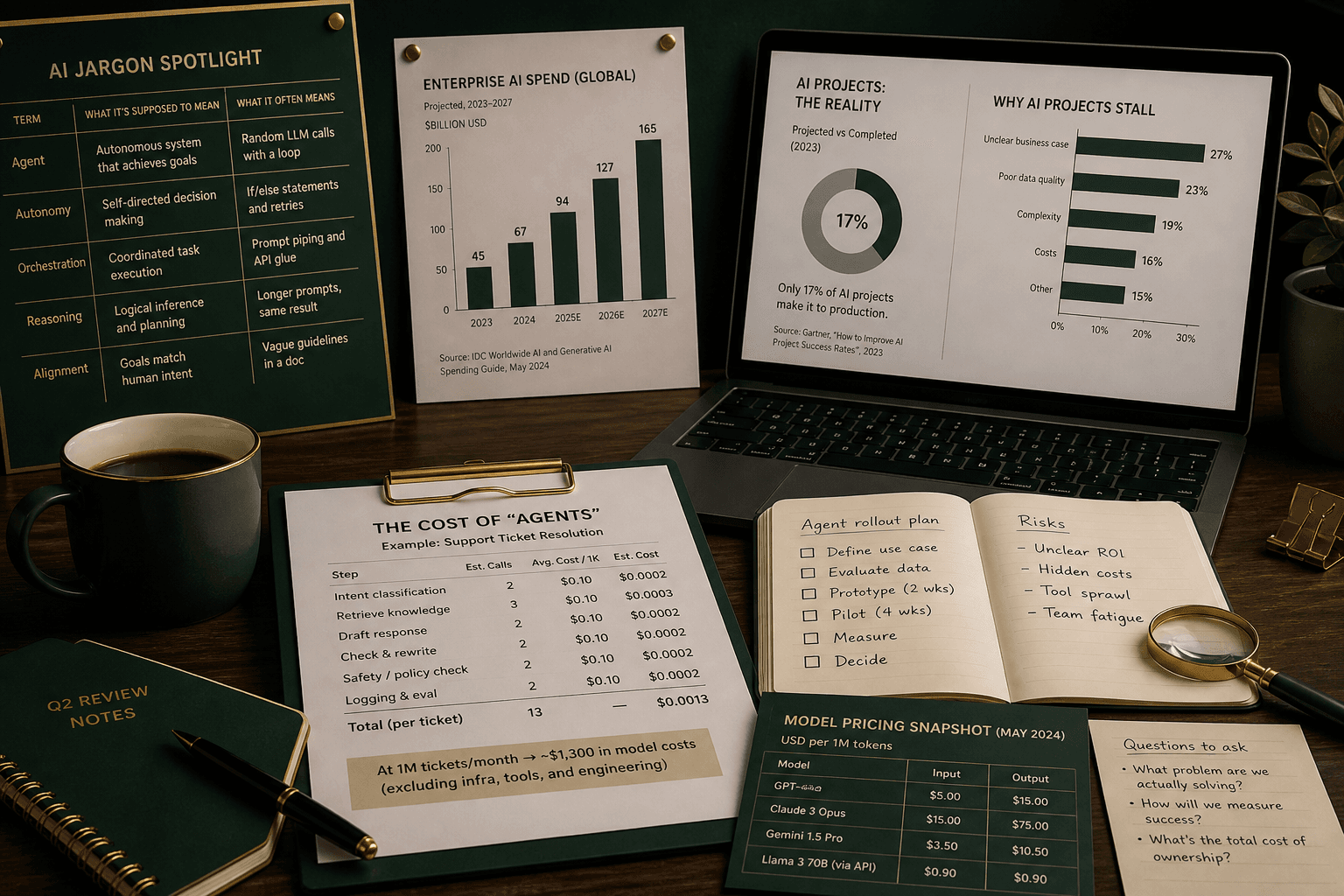
Because of course they are—because the only way to make an AI agent smarter is to give it a memory of its own screw-ups. A blog post from lobu.ai argues that event-sourcing is the architectural backbone for agents that actually learn from failures. The debate? Purists say this is just retrofitting old software patterns with new hype, while the agent crowd insists it's the only way to avoid the 'forgetful idiot' problem. Either way, it's a sign that the industry is finally admitting that agents need to be embarrassingly honest about their mistakes. The winners: developers who love logging. The losers: anyone who thought agents would just magically get better on their own.