Google Maps Agentic Push: Food Orders Enter the Map


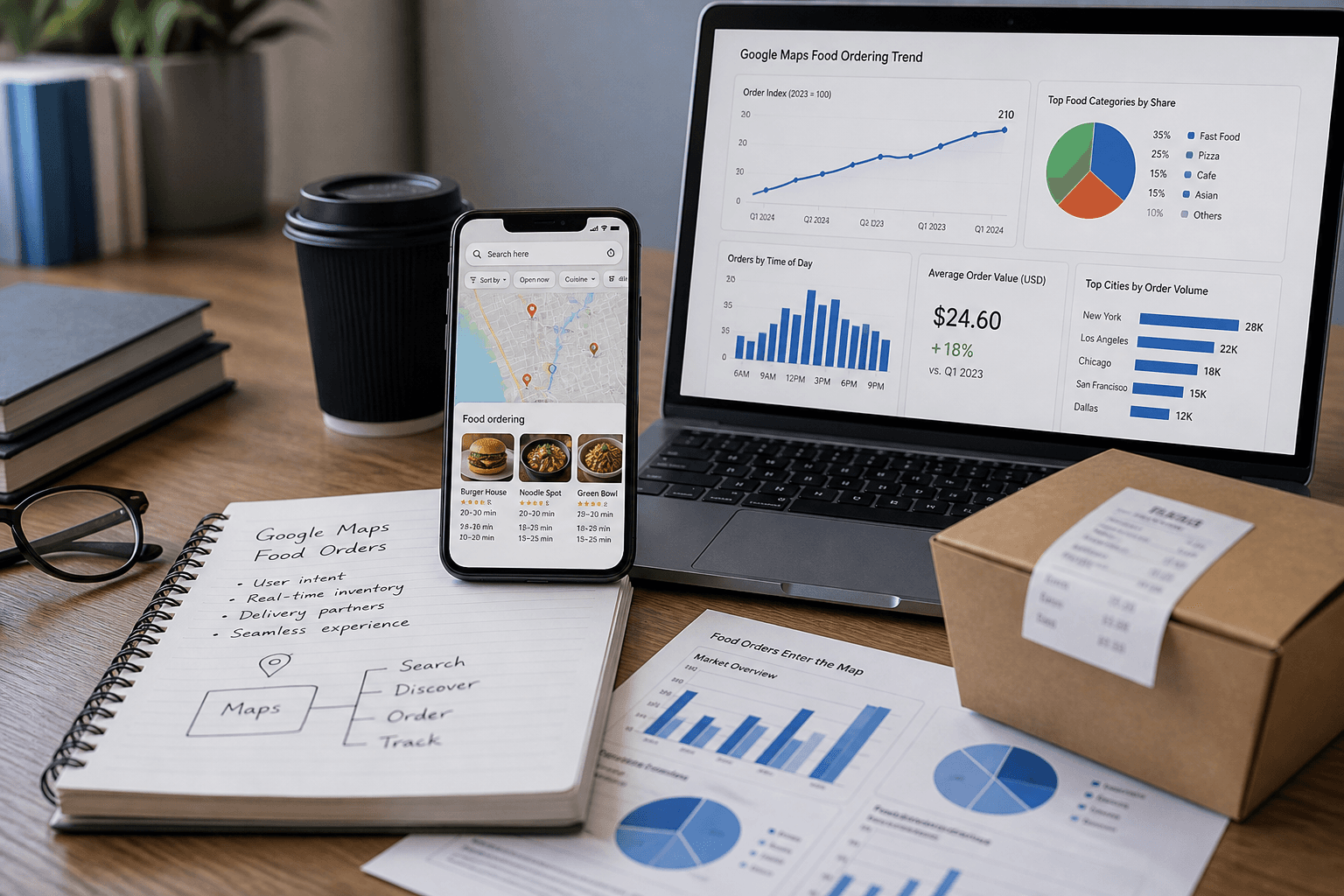
Google Maps is adding agentic features for food ordering and hotel bookings, according to TechCrunch’s August 6, 2026 report. The move matters because Google is pushing AI from search answers into real-world tasks: picking a place, starting a transaction, and keeping users inside Maps longer.
What does Google Maps agentic AI mean for bookings?
This is the shift to watch. Maps has long helped users find restaurants, hotels, and local services. Agentic features point to a more active role: not just showing options, but helping complete actions like ordering food or booking a room.
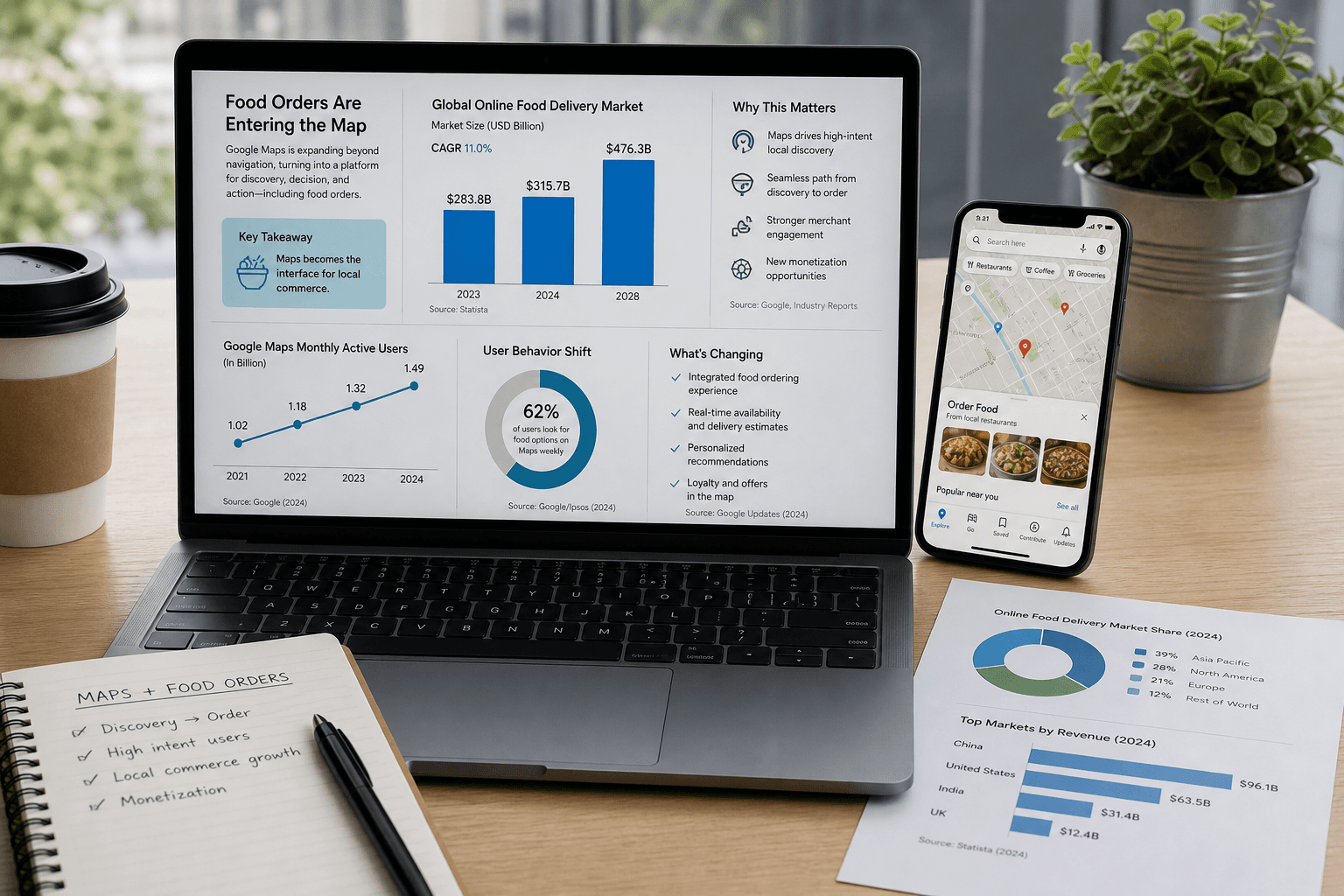
That changes the product’s job. Maps becomes less of a directory and more of a transaction layer. For restaurants, hotels, and booking platforms, that could make placement inside Google Maps even more important.
Why is this bigger than a Maps update?
Because Google already controls a massive intent surface. People open Maps when they’re ready to go somewhere, eat something, or book something. Adding AI task-handling at that moment is a direct push into commerce.
This also fits the broader agent trend: assistants that don’t only answer, but act. The key question is how much control users keep, how clearly options are ranked, and whether third-party services get equal access.
What details are still missing?
TechCrunch’s report names food ordering and hotel bookings, but the public headline doesn’t give pricing, rollout countries, partner lists, or model details. There are no benchmark claims here, and no new Google model name attached.
So the headline is simple: Google is making Maps more action-oriented. The bigger story is whether users treat that as convenience — or whether businesses see it as another gatekeeper between them and customers.