Google Gemini Goes Live in Classroom for Students


Google has activated Gemini AI inside its Classroom app for students, marking a major step into educational AI. The rollout, confirmed by The New York Times on August 14, 2026, gives millions of K-12 and college users direct access to generative AI for homework help, writing assistance, and lesson planning. Google says the feature is free for all Classroom users, with no extra cost, and is designed to stay within school privacy guidelines.
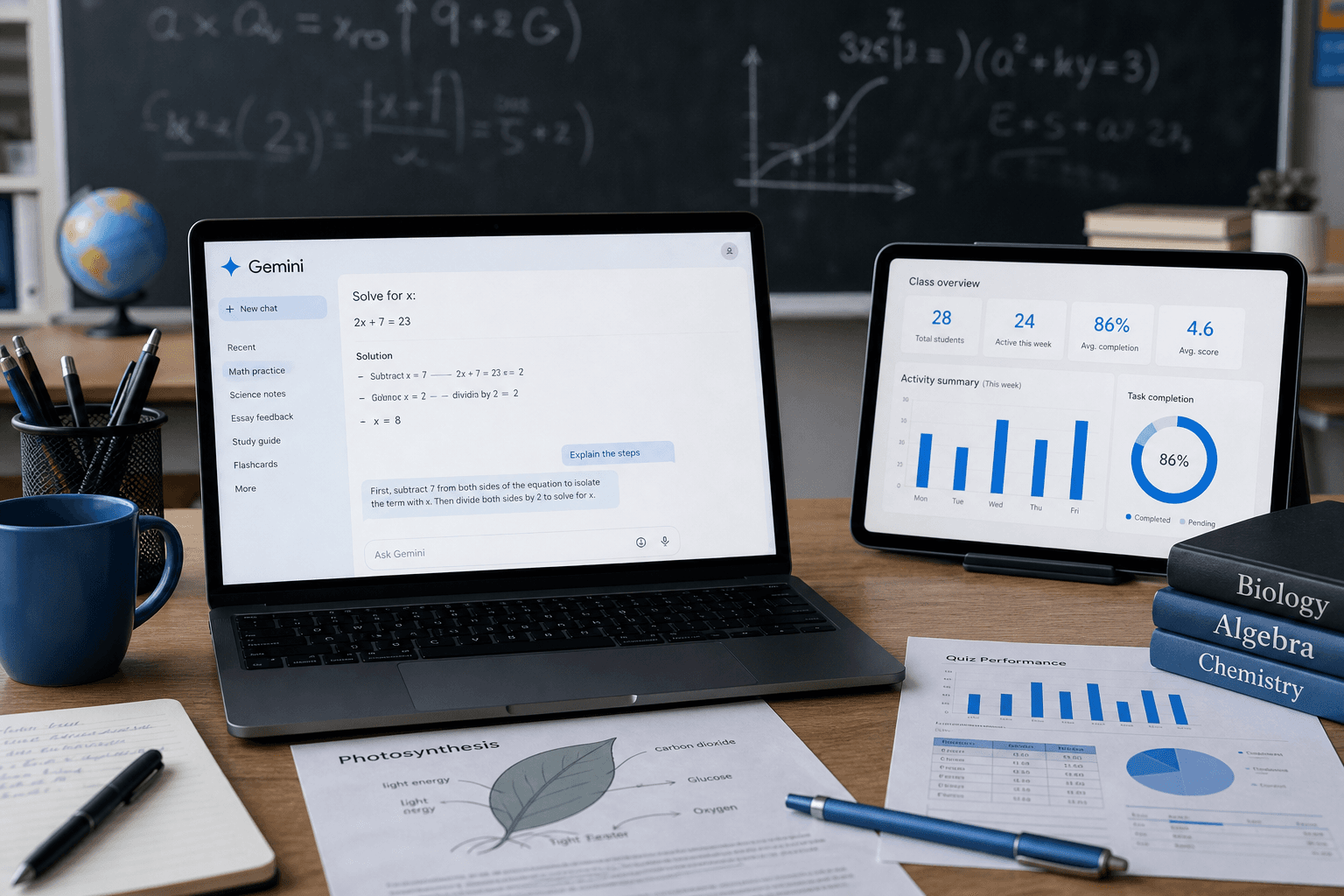
What does Gemini in Classroom actually do?
Students can now ask Gemini to explain math problems, draft essays, summarize readings, or generate study guides — all within the Classroom interface. Teachers get tools to create quizzes, rubrics, and lesson plans. Google emphasizes that students under 18 are protected by enhanced data controls, and no personal data is used to train the model. The company also notes that the AI is trained to refuse inappropriate requests, like writing term papers from scratch.
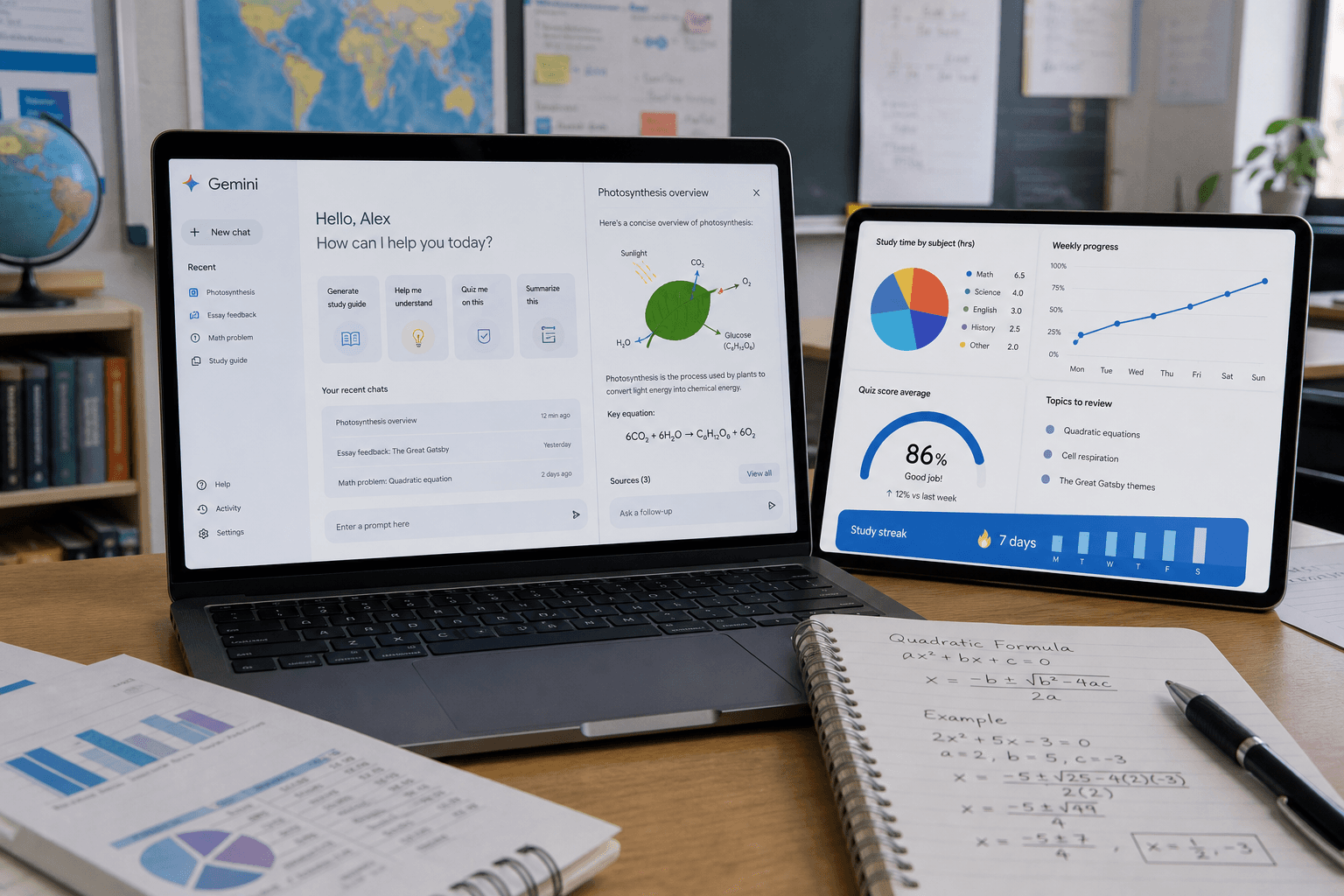
Why does this matter for schools and parents?
This is the first time a major AI model has been directly embedded into a widely used school management system. Google Classroom serves over 150 million users worldwide. The move could accelerate AI adoption in education but also raises questions about cheating, screen time, and over-reliance on AI. Some school districts are already piloting the feature with opt-in consent. Google says it will publish independent audits of the model's performance in classroom settings.
The announcement follows months of testing in select districts. Google plans to expand the feature to more languages and regions by the end of 2026. For now, it's available in English in the US, Canada, Australia, and the UK.