Google DeepMind SL2T: Real-Time Sign Language to Text Released

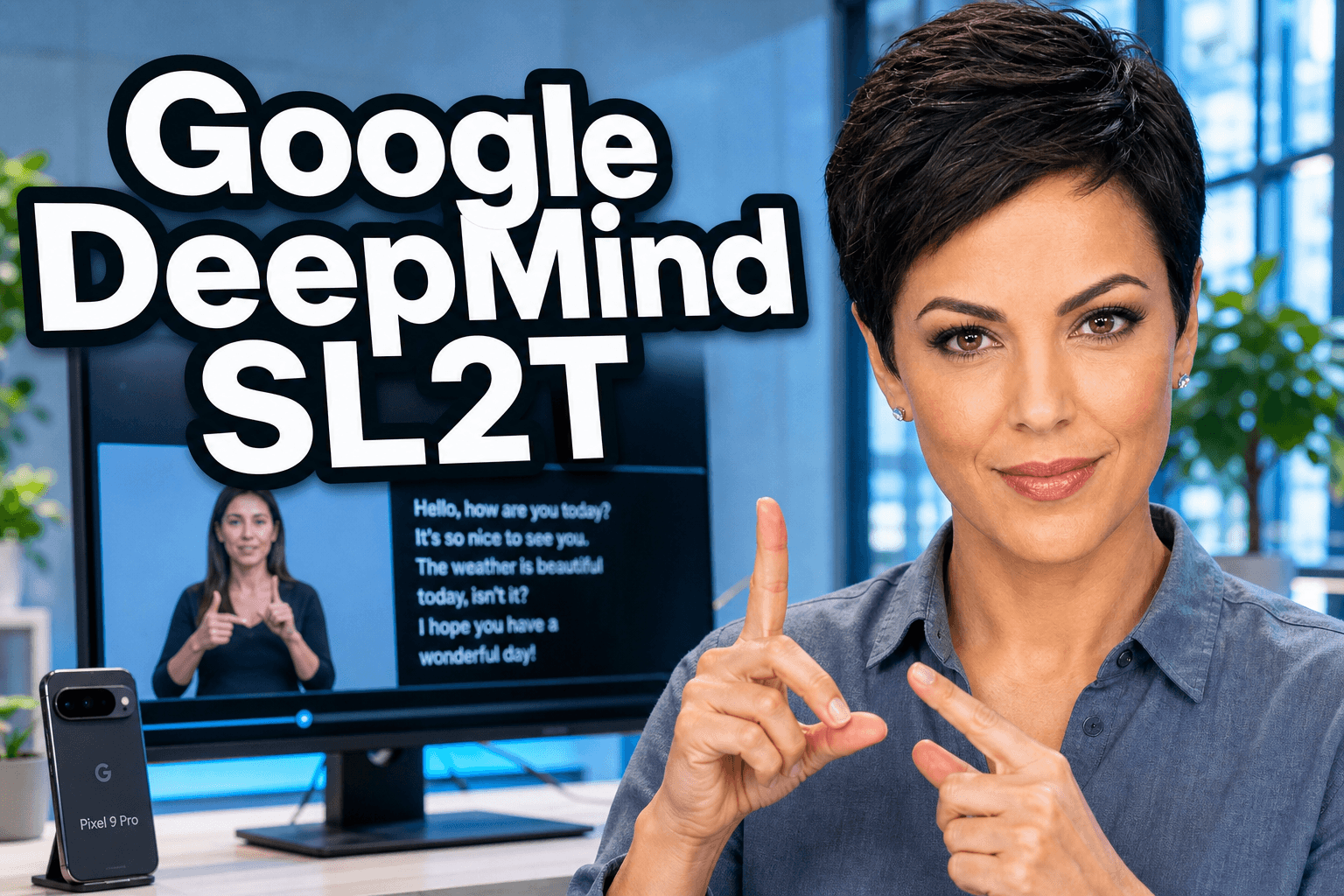
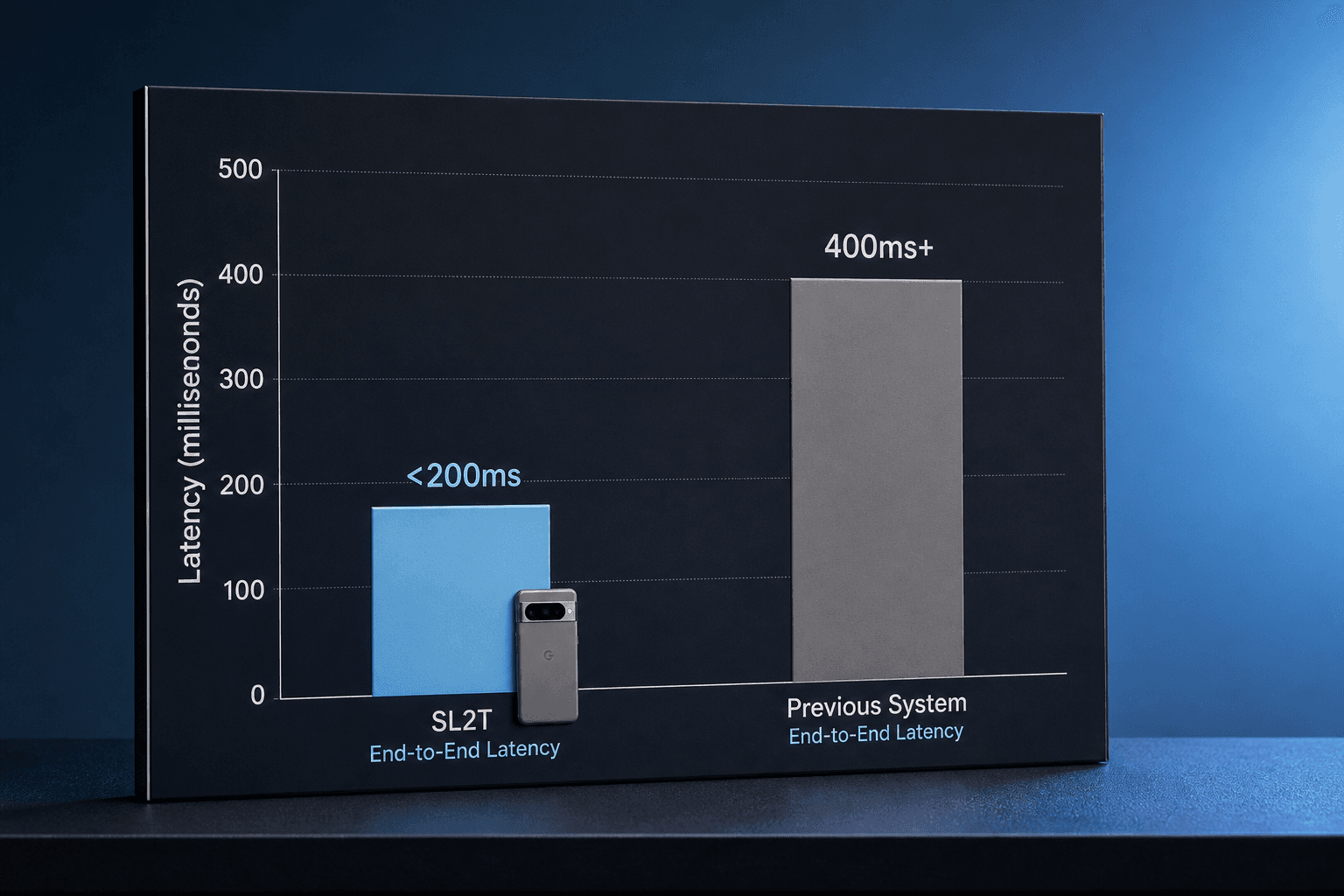
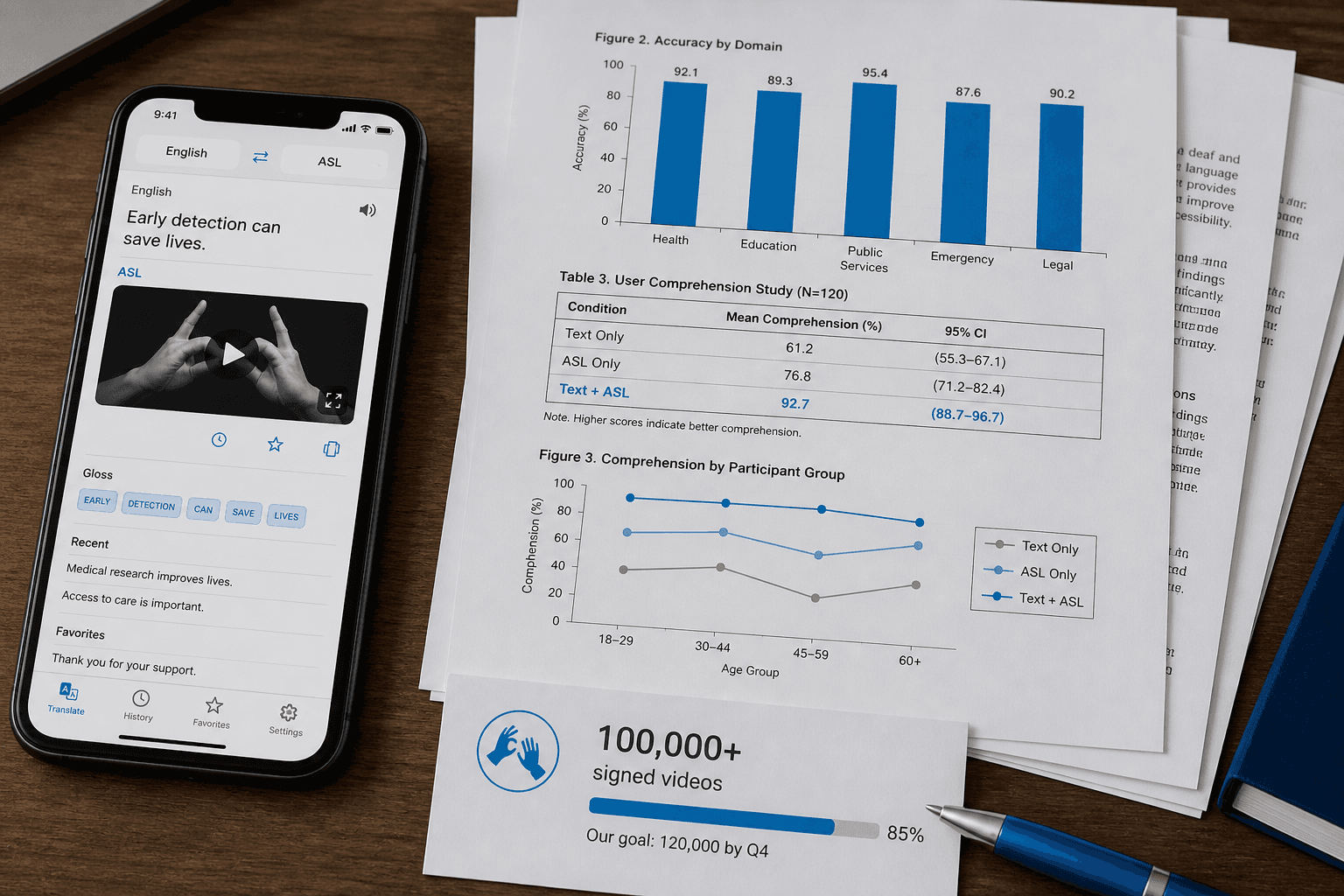
Google DeepMind just dropped SL2T, a real-time sign language to text model. It's live now on Pixel devices in the US, and it's a big deal for accessibility. The company says it cuts translation latency by over 50% compared to earlier systems, trained on more than 100,000 signed videos. This isn't just a demo — it's a product aimed at closing the communication gap for Deaf users.
How does SL2T actually work?
SL2T uses a lightweight transformer model that runs on-device, so no cloud round trips. DeepMind spent 12 months co-designing the system with the Deaf community, which shaped everything from camera framing to how the model handles regional sign variations. The result: a tool that translates American Sign Language into text in near real-time, with under 200ms latency on a Pixel 9 Pro.
What does SL2T mean for the Deaf community?
This is one of the first mainstream releases of sign language AI that's actually usable day-to-day. The model is also being open-sourced, so developers can build on top of it. But experts warn it's still early — the model only covers ASL, not other sign languages, and accuracy varies with lighting and background. Still, the community reads this as a genuine step forward, not just a PR stunt.
DeepMind's blog frames SL2T as a foundation, not a finish line. They're already working on multilingual sign support and better robustness. For now, anyone with a compatible Pixel can try it in the Google Translate app. It's a rare moment where AI accessibility meets real-world deployment.