From POTS to Sign Language: AI's Two-Front War on Human Limits

Two stories dropped today, and they're pulling the AI conversation in opposite directions – one promises to cure a brutal chronic illness, the other tries to bridge a communication gap that's been ignored for decades. But let's not pop the champagne just yet.
The POTS Crusade: Fidji Simo's AI Gambit
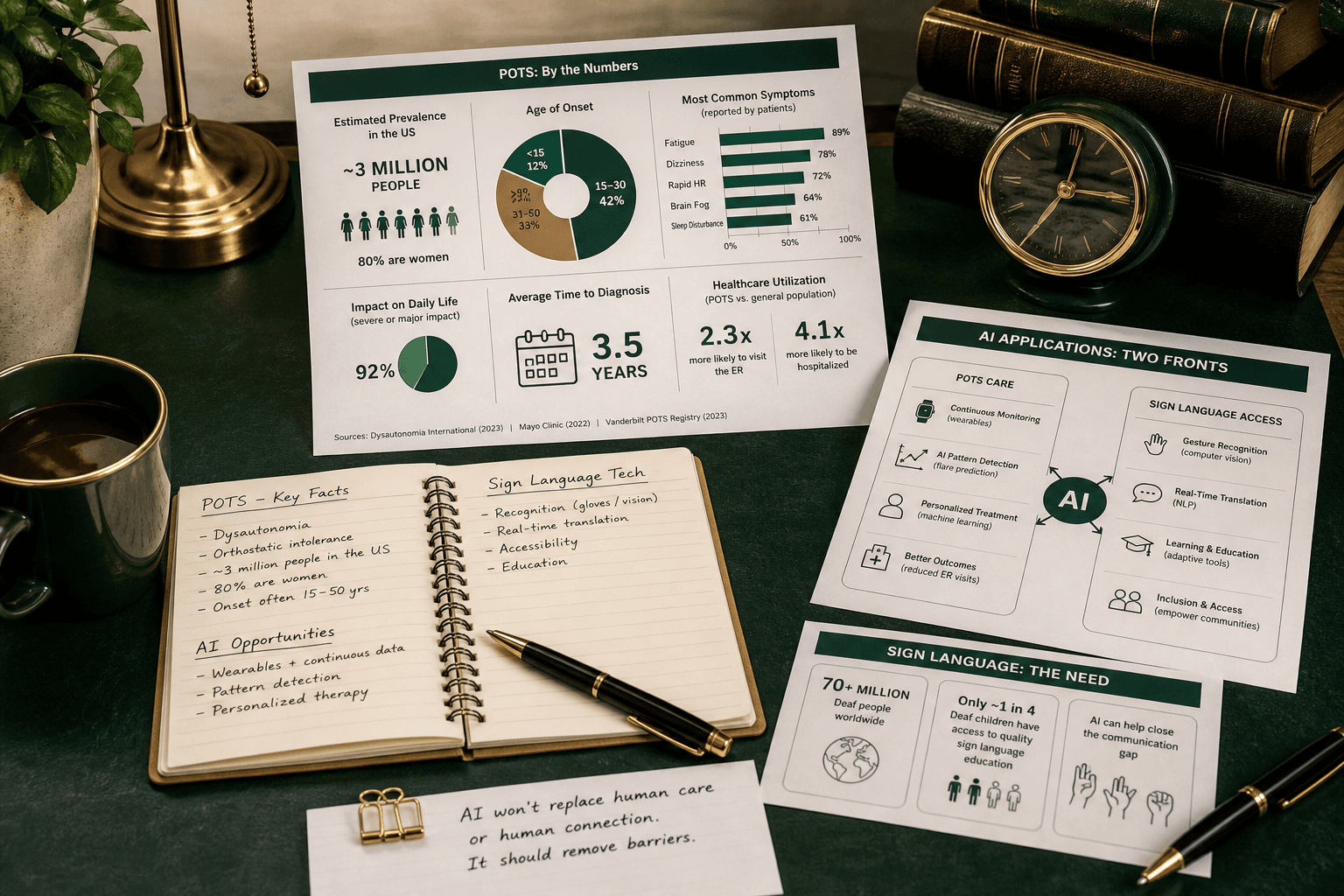
Former OpenAI exec Fidji Simo is now on a mission to cure POTS – that's Postural Orthostatic Tachycardia Syndrome, a condition that leaves people dizzy and exhausted. Her plan? Throw AI at it. Sounds noble, but here's the fight: Is this a genuine scientific breakthrough or just another tech-bro vanity project dressed up in lab coats? Critics are already whispering that chronic illness research is a graveyard of overhyped algorithms. Meanwhile, patients are desperate – so when Simo says AI can crack the code, they're listening. But will it deliver, or will it be another Theranos with better press releases?
DeepMind's SL2T: Sign Language Gets a Silicon Valley Translator
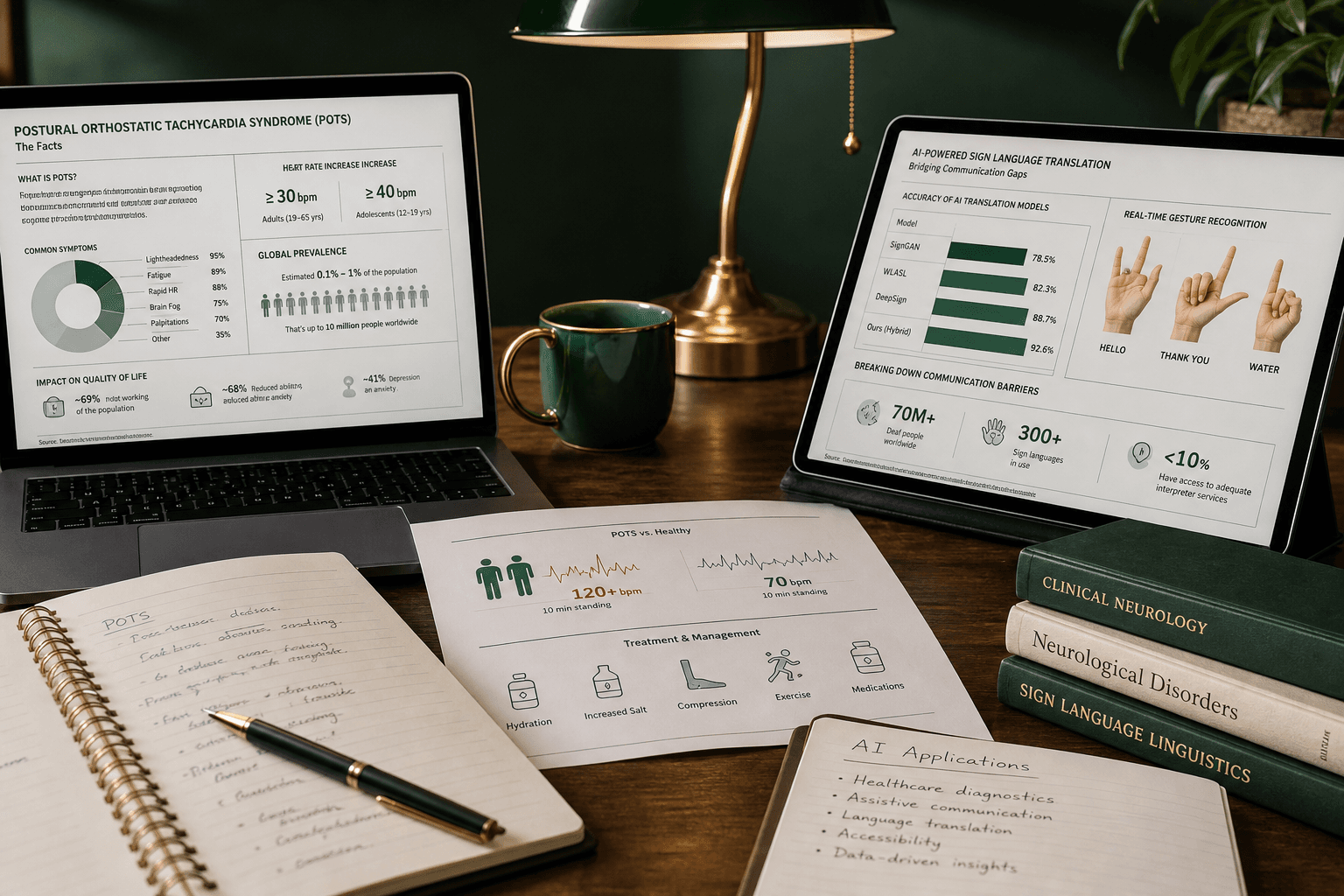
Google DeepMind dropped SL2T – a model that turns sign language into text. Finally, right? Finally, the deaf community gets a tool that doesn't require a human interpreter. Except the debate is already messy: Who's this really for? DeepMind says it's putting power into users' hands, but advocates worry about accuracy, cultural nuance, and the risk of a tech giant deciding what “correct” sign language looks like. The real question: Is this liberation or just another surveillance-ready product wearing a charity mask? The camps are split – some see a lifeline, others see a PR stunt. And the deaf community? They're watching, waiting, and hoping their voices aren't lost in translation again.
Two stories, one theme: AI's promise is huge, but so is the gap between what it can do and what it should do. Which side wins? That's the debate that matters.